
Introduction
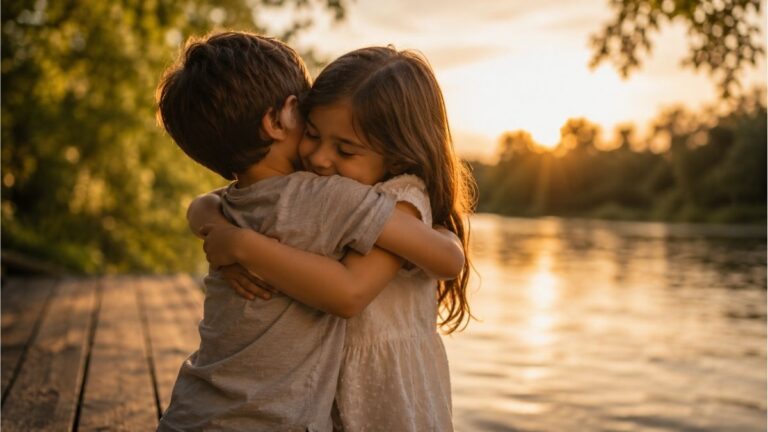
Brothers can be protectors, playmates, rivals, teachers, and sometimes the people we miss most when life changes. This collection of poems about brothers brings together tender, thoughtful, and memorable verses about brotherly love, childhood, family bonds, separation, gratitude, loyalty, and loss.
Here you will find short poems about brothers, brother poems from sister, poems about brothers and sisters, tribute poems for brother, and brother memorial poems with simple meanings and useful notes. Readers who enjoy reflective family poetry may also like these Inspirational Poems, especially when looking for words of comfort, remembrance, or affection.
Poetry & Analysis
Short Poems About Brothers
Family PoemsTo My Brothers
Small, busy flames play through the fresh laid coals,
And their faint cracklings o’er our silence creep
Like whispers of the household gods that keep
A gentle empire o’er fraternal souls.
And while, for rhymes, I search around the poles,
Your eyes are fix’d, as in poetic sleep,
Upon the lore so voluble and deep,
That aye at fall of night our care condoles.
This is your birth-day Tom, and I rejoice
That thus it passes smoothly, quietly.
Many such eves of gently whisp’ring noise
May we together pass, and calmly try
What are this world’s true joys,—ere the great voice,
From its fair face, shall bid our spirits fly.
Overview Short Summary
Keats presents a quiet birthday evening shared with his brothers. The scene is small and domestic, but the feeling is deep: brotherly love becomes a shelter from worry and a way of thinking about life’s true joys.
Core Ideas Main Themes
- Brotherly love: The poem turns a simple family evening into a warm picture of affection and closeness.
- Home and comfort: The fire, silence, and shared reading create a peaceful atmosphere.
- Mortality: The final lines quietly remind readers that family time is precious because life is temporary.
Emotional Effect Tone and Mood
The tone is affectionate, reflective, and peaceful. The mood feels intimate and calm, making it a strong short poem about brother bond and a gentle birthday poem for brother.
Craft Literary Devices
- Imagery: The glowing coals and soft crackling sounds make the family room feel warm and alive.
- Personification: The fire’s sounds become “whispers,” giving the home a protective spirit.
- Symbolism: The hearth symbolizes family unity, memory, and emotional safety.
To My Brother
Muse of friendship wake the lyre,
Strike it with unwonted fire;
Now my brother asks the lay,
The pleasing tribute let me pay.
Let the measure softly flow,
To give him all the thanks I owe;
To wish him all my heart would say,
All that’s happy, all that’s gay.
Cherub health with beaming eye,
Well-deserv’d prosperity,
Joy and honour, fortune, fame,
All that merit e’er can claim;
Inward peace with placid mien,
And domestic joy serene.
May Heaven propitious deign to hear,
This a sister’s genuine prayer.
Overview Short Summary
This is a sweet poem for brother written as a sister’s blessing. The speaker wishes her brother health, happiness, success, peace, and domestic joy.
Core Ideas Main Themes
- Sibling affection: The poem is built around a sister’s grateful and loving address to her brother.
- Blessing and goodwill: The speaker’s wishes are emotional but simple, making the poem easy to understand.
- Gratitude: The poem works well as a heartfelt poem for brother because it thanks him without becoming overly dramatic.
Emotional Effect Tone and Mood
The tone is warm, prayerful, and affectionate. The mood is gentle and sincere, especially for readers searching for brother poems from sister.
To My Brother and Sister, in the Country
Happy soon we’ll meet again,
Free from sorrow, care, and pain;
Soon again we’ll rise with dawn,
To roam the verdant dewy lawn.
Soon the budding leaves we’ll hail,
Or wander through the well-known vale;
Or weave the smiling wreath of flowers,
And sport away the light-wing’d hours.
Soon we’ll run the agile race,
Soon, dear play-mates, we’ll embrace;
Through the wheat-field or the grove,
We’ll hand in hand delighted rove;
Or, beneath some spreading oak,
Ponder the instructive book;
Or view the ships that swiftly glide,
Floating on the peaceful tide:
Or raise again the caroll’d lay;
Or join again in mirthful play;
Or listen to the humming bees,
As their murmurs swell the breeze;
Or seek the primrose where it springs;
Or chase the fly with painted wings:
Or talk amidst the arbour’s shade;
Or mark the tender shooting blade;
Or stray beside the babbling stream,
When Luna sheds her placid beam;
Or gaze upon the glassy sea;
Happy, happy, shall we be.
Overview Short Summary
The speaker looks forward to reuniting with a brother and sister in the countryside. The poem imagines shared walks, games, flowers, books, songs, and peaceful outdoor scenes.
Core Ideas Main Themes
- Sibling reunion: The poem is full of anticipation for being together again.
- Childhood happiness: Running, playing, reading, and wandering outdoors show the freedom of childhood.
- Family companionship: The brother and sister bond is shown through shared experience rather than heavy emotion.
Emotional Effect Tone and Mood
The tone is cheerful and innocent. The mood is bright, hopeful, and nostalgic, making it useful for readers looking for simple poems about brothers and sisters.
Literary Technique Imagery
The poem uses natural imagery—dew, flowers, bees, streams, moonlight, and sea—to make sibling love feel fresh, playful, and peaceful.
Love Between Brothers and Sisters
Whatever brawls are in the street
There should be peace at home;
Where sisters dwell and brothers meet
Quarrels shou’d never come.
Birds in their little nests agree;
And ’tis a shameful sight,
When children of one family
Fall out and chide and fight.
Overview Short Summary
Watts teaches that brothers and sisters should keep peace at home. The poem contrasts outside conflict with the harmony expected inside a family.
Core Idea Main Theme
The main theme is family peace. It is a short, simple poem for brother and sister readers because it says plainly that sibling love should be stronger than quarrels.
Craft Literary Devices
- Contrast: The poem contrasts street conflict with home peace.
- Example: Birds in a nest are used as a small moral example for children in one family.
Holiday Hours
Dear boy, let us think of the pleasures in spring,
When the season is welcom’d with garlands of flowers;
How thy moments will fly with delight on the wing,
How thy fancy will dwell on the holiday hours.
And sweet are those moments the young bosom knows,
Preceding the social endearments of home;
Where maternal affection so tenderly glows,
And invokes the gay holiday pleasures to come.
And oh! my sweet boy, when our years shall expand,
When we wander no more thro’ our favorite bowers;
Perhaps we may sigh for the pleasures so bland,
The sportive delights of the holiday hours.
Overview Short Summary
This poem addresses a young brother and remembers the joy of holidays, springtime, home, and childhood play. It gently recognizes that these carefree hours will become memories.
Core Ideas Main Themes
- Little brother affection: The speaker’s address to “Dear boy” makes the poem tender and protective.
- Childhood memory: Holiday hours become a symbol of young happiness.
- Nostalgia: The final stanza looks ahead to adulthood, when both siblings may miss the same simple pleasures.
Emotional Effect Tone and Mood
The tone is loving and nostalgic. The mood is soft and reflective, suitable for readers searching for little brother poems or a gentle poem about brother love.
Continue Reading
Related Poems & Articles
More selected reading from Family Poems.