Poetry & Analysis
Poems About Flowers in the City
Nature PoemsThe Peddler of Flowers
I came from the country
With flowers,
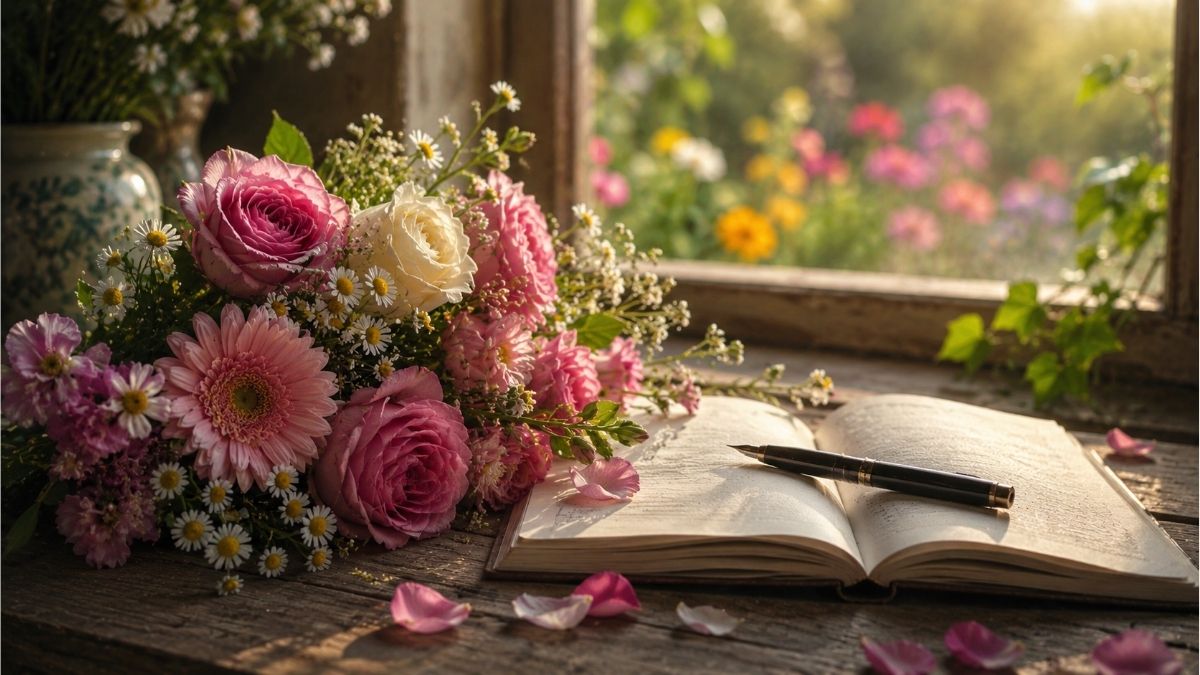
Larkspur and roses,
Fretted lilies
In their leaves,
And long, cool lavender.
I carried them
From house to house,
And cried them
Down hot streets.
The sun fell
Upon my flowers,
And the dust of the streets
Blew over my basket.
That night
I slept upon the open seats
Of a circus,
Where all day long
People had watched
The antics
Of a painted clown.
Overview Short Summary
A flower seller carries larkspur, lilies, lavender, and other blooms from the country through hot and dusty city streets. The poem ends with the seller sleeping in a public circus space.
Interpretation Contrast and Meaning
Fresh country flowers contrast with heat, dust, labor, and insecure shelter. The poem quietly places natural beauty beside the difficult life of the person carrying it.
Reader Questions
Frequently Asked Questions
What are some famous poems about flowers?
“I Wandered Lonely as a Cloud,” “The Rhodora,” “The Tuft of Flowers,” “To Daffodils,” and “Nothing Gold Can Stay” are widely read flower poems that connect blossoms with memory, beauty, friendship, mortality, and change.
Which short flower poems are easy to read?
“Flower in the Crannied Wall,” “Nothing Gold Can Stay,” “The Noble Nature,” and “The Dandelion” are concise poems with clear central images and enough depth for further discussion.
What are good flower poems for children?
“The Garden Year,” “The Violet,” “The Dandelion,” “The Crocuses,” and “Four-Leaf Clover” use rhyme, personification, seasonal imagery, and accessible lessons that work well for younger readers.
Which poems are about wildflowers?
“The Rhodora,” “The Wild Honeysuckle,” and “Fire-Flowers” focus on flowers growing outside formal gardens. They explore hidden beauty, mortality, resilience, and recovery.
What do flowers symbolize in poetry?
Flowers can symbolize love, beauty, youth, faith, hope, humility, memory, healing, mortality, or renewal. Their meaning depends on the species, season, setting, color, and stage of growth shown in the poem.
Continue Reading
Related Poems & Articles
More selected reading from Nature Poems.